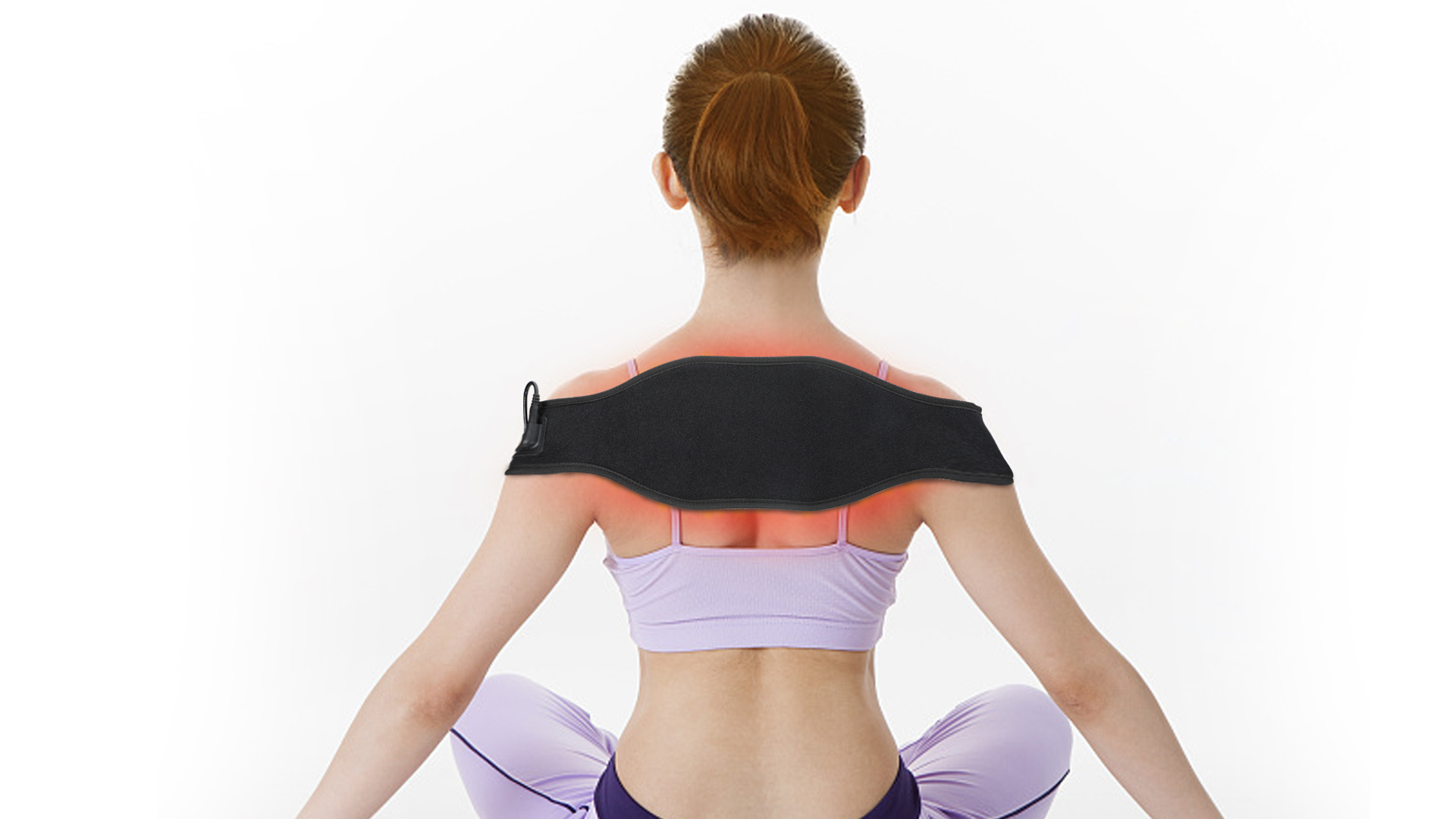

PULSATING OR STEADY LIGHT ?
To fully comprehend any trend, it’s helpful to understand how and where it started. In this case, it was a study by Dr. Michael Hamblin, an associate professor at Harvard Medical School, who is one of the preeminent experts on all things light therapy.
In 2010, Dr. Hamblin worked with a team of scientists and doctors to find the most effective application method for low-level laser therapy (LLLT). They compared two possible varieties: pulsed wave and continuous wave. Each method was run through a rigorous analysis, and at the conclusion, pulsed wave emerged as the winner. In the study, which was published in the July 2010 issue of Lasers in Surgery and Medicine, the authors write:
“This review of the literature indicates that overall pulsed light may be superior to [steady wave] light with everything else being equal.”
The study’s conclusion has since been widely interpreted to mean that pulsing is superior and therefore should be used for all types of light therapy, including LED.
Why do pulsing?
There are two main reasons people might be interested in adding pulsing to their photobiomodulation technique.
1. Reduce tissue heating.
The first benefit of pulsing is probably the most well-studied in clinical literature.
In the origins of red light therapy they were using lasers, but they needed to be low enough power to be safe and not cause tissue heating or burns.
One of the most effective techniques to reduce tissue heating and still get great benefits is by pulsing. The short "off" times can help the tissue cool to thermoregulate and prevent overheating.
2. Brainwave entrainment.
The second benefit of pulsing is to induce brainwave entrainment. We know that our neurons can synchronize with the frequencies lights and sounds around us.
Using frequencies like 10 Hz (for alpha brainwaves) and 40 Hz (for gamma brainwaves) may help the brain synchronize with beneficial brain states.[3]
These brainwave entrainments has implications help with disease states like Parkinson's and Alzheimer's and restoring the brainwaves to a natural order.
It has been discovered that when LED lights are pulsed, body tissue can heal more rapidly. When it is given a continuous burst, it sedates the cell and kills the pain. When a single-frequency pulsed light hits the cell, it stimulates the cell to start producing more protein than it normally does, as a result, the cell heals faster. Even when the LED light source is taken away, the cell continues its healing. The continuous beam has a reverse effect that can kill/dull pain, reduce inflammation and allows muscle tissue to relax.